

Was Sparma The Real Killer in The Little Things?
Possibly, but doubtful.
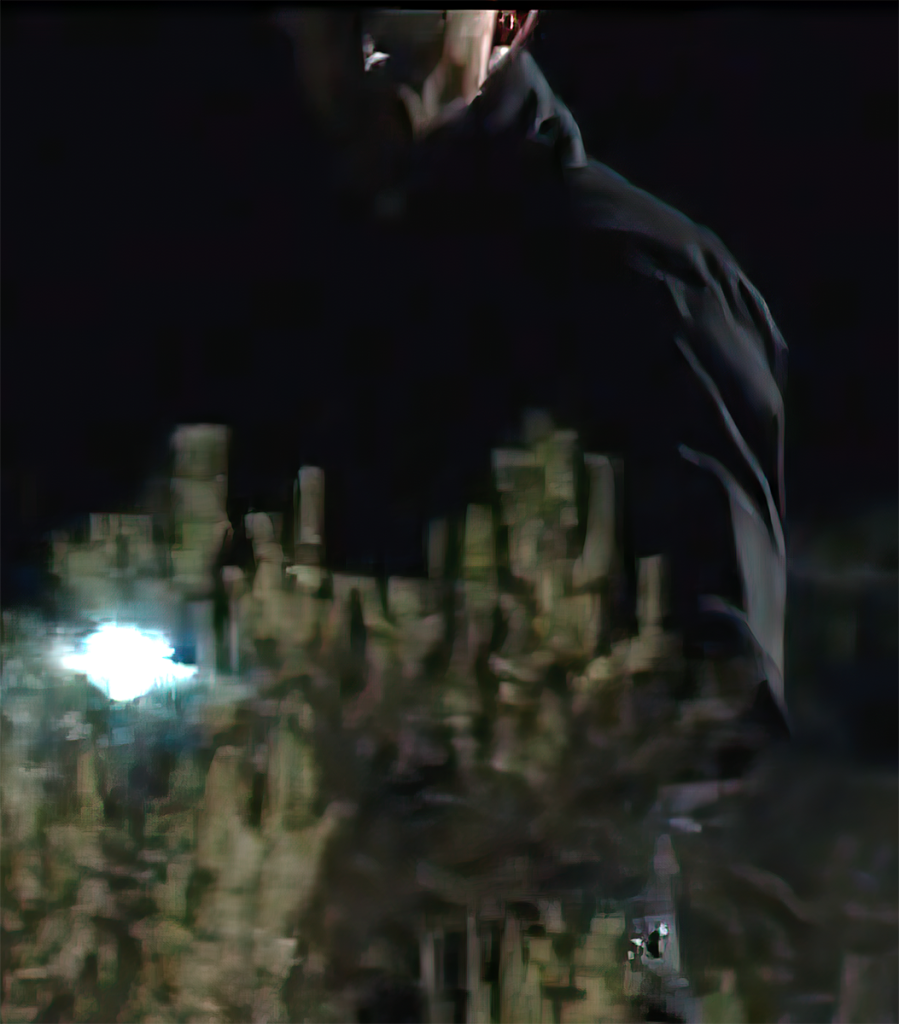
The waters are muddied by the discrepancies between Sparma’s physical appearance and the fleeting glimpses of the suspected killer. At the critical 3:02 mark of the film, and at other scenes in the beginning where we get glimpses of the killer, the profile of the killer presented does not align with Sparma’s. The figure seen is clean shaving, shorter hair, no facial hair, and wears glasses. This mismatch introduces a seed of doubt, a deliberate narrative choice that leaves the audience and the detectives wrestling with uncertainty. Sparma’s potential involvement becomes a paradox; he is a red herring dressed in the garb of an obvious suspect. That doesn’t mean Sparma didn’t have any connection in the killings, but at the most he would have been a psychopath who watched the murders and even showed up after at the scene once the real killer had left. Or it could have been some sick collaboration between Sparma and the killer.
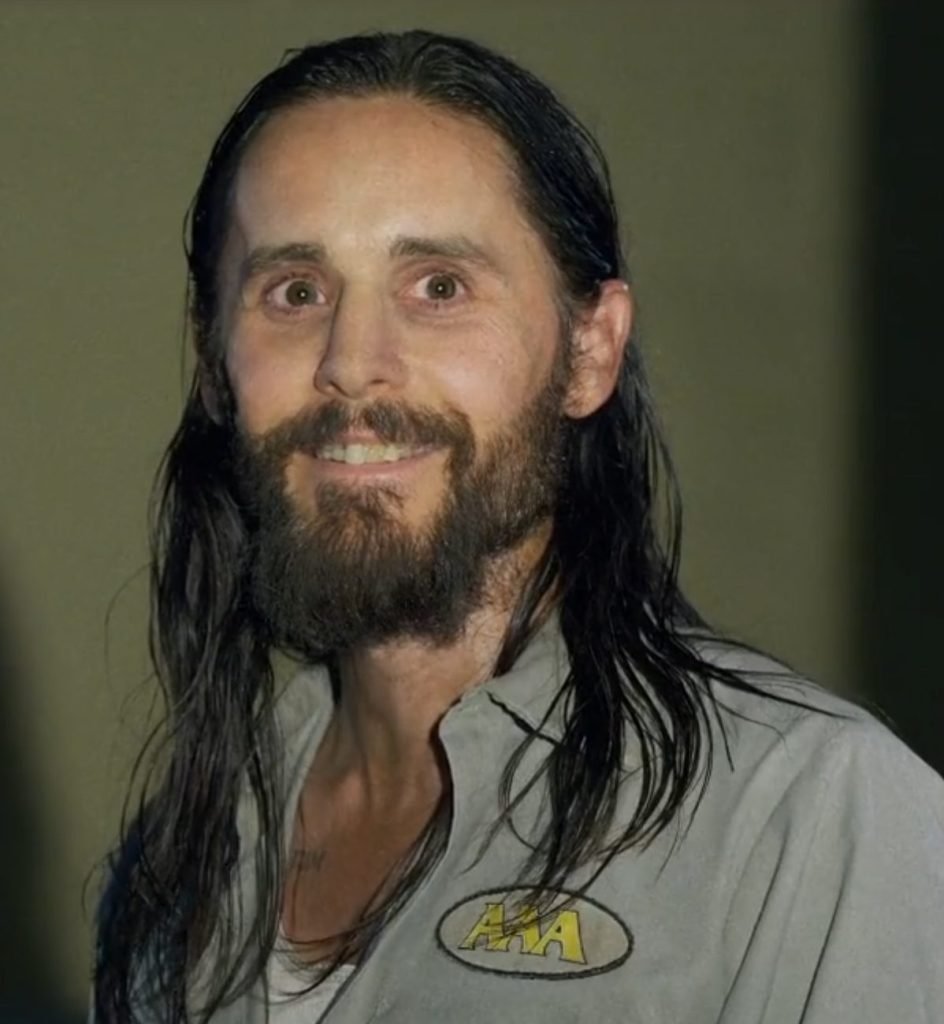
The film uses these contrasting images to fuel the tension and suspense, keeping viewers questioning whether Sparma is indeed the meticulous murderer or merely a macabre misdirection. It’s this ambiguity that drives the film’s intrigue, playing upon the theme that truth is often obscured by the little things, the details that don’t quite fit the pattern we expect to see. Sparma embodies this theme, a character who might be the killer but is just off-center enough from the profile to cultivate doubt, maintaining the film’s gripping uncertainty until the very end.
Unpacking the Plot: A Deep Dive into The Little Things (2021).
“The Little Things” reveals a labyrinth where the chase for a serial killer becomes a psychological spelunking into the abyss of obsession. Set against a grimy Los Angeles canvas, the narrative follows Deputy Sheriff Joe “Deke” Deacon, drawn back into the cloak of detective work after a hiatus. The plot thickens as he teams up with Sergeant Jim Baxter, whose shine hasn’t yet been tarnished by the darkness of homicide cases. Their quarry is a slippery enigma, leaving behind a trail of nuanced clues that are as confounding as they are macabre. The case is a puzzle where each piece feels familiar yet refuses to fit easily, mirroring the complex human psyche the film delves into.
The movie’s title itself whispers the essence of its story—details, often overlooked, sometimes insignificant on their own, become pivotal in the grand scheme. Deke’s character, portrayed with a potent blend of weariness and acuity by Denzel Washington, becomes a vessel through which the narrative explores the profound impact of minutiae. His attention to ‘the little things’ is both a blessing and a curse, a means to an end that is as elusive as the wind-whipped dust of the city’s streets. This narrative thread weaves through the plot, binding the characters in a silent agreement that their reality is as much about the chase as it is about the catch.
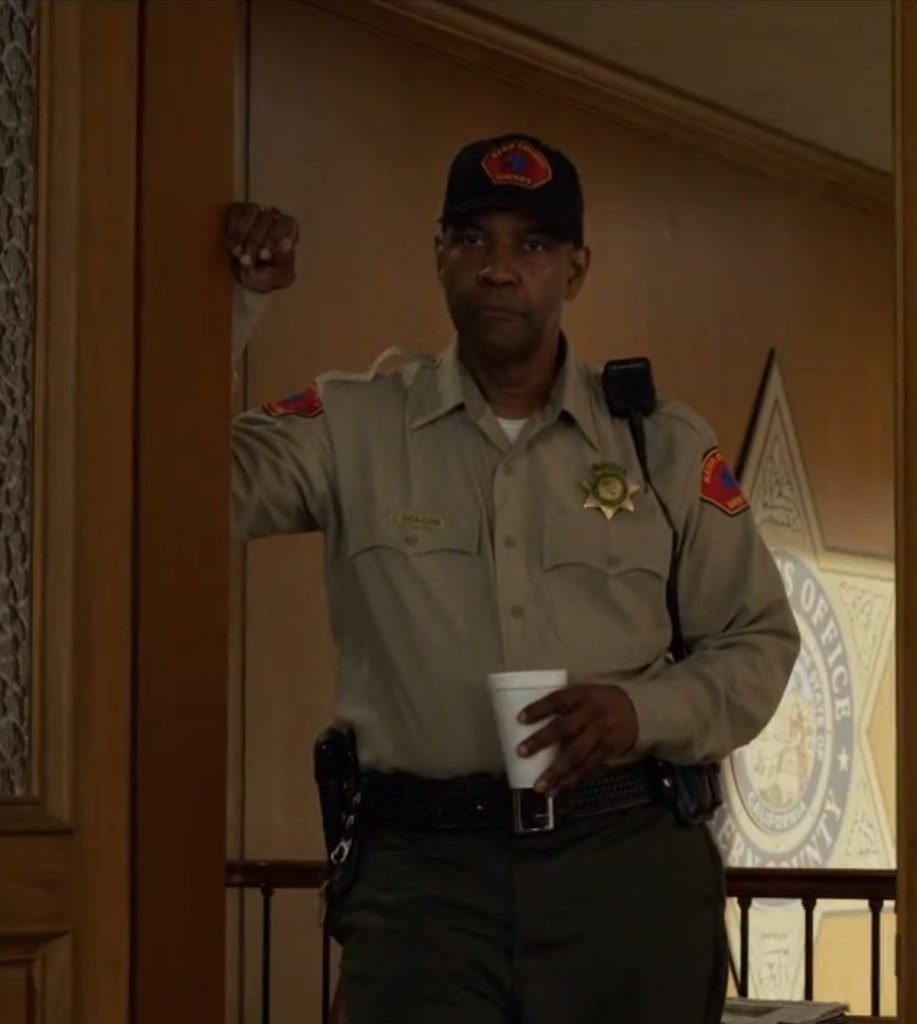
As the plot unfolds, it unravels a tapestry of human frailty. Baxter, played by Rami Malek, is the foil to Deke’s jaded experience, bringing a fresh-eyed fervor that’s compelling to watch. The synergy between the two is electric, crackling with the tension of ideologies and methodologies that both clash and coincide. They’re hunting more than a killer—they’re hunting for closure, redemption, and the truth that lies in shadowed corners. The movie doesn’t just ask “whodunit,” but “why” and “at what cost,” propelling the audience into a whirlpool where the current is strong, and the depths are teeming with the little things that could either be the key or the undoing.
JJ Kendricks
Character Analysis
“The Little Things” puts under the microscope the complex figures of Deke, Baxter, and the enigmatic suspect, Albert Sparma. Deke, he’s a walking archive of unsolved cases and unspoken regrets, his intuition sharpened to a razor’s edge by years of haunting experiences. Then there’s Baxter, his crisp suit and by-the-book demeanor conceal an undercurrent of desperation to keep his world orderly, to make sense of the chaos that crime leaves in its wake. In the magnetic pull of these two orbits, we find Jared Leto’s Sparma, an outlandish wildcard, whose unnerving performance as a prime suspect casts a pall of doubt and discomfort. Sparma is a taunting phantom, both in his possible guilt and in the way he mirrors the darkness within the detectives themselves.
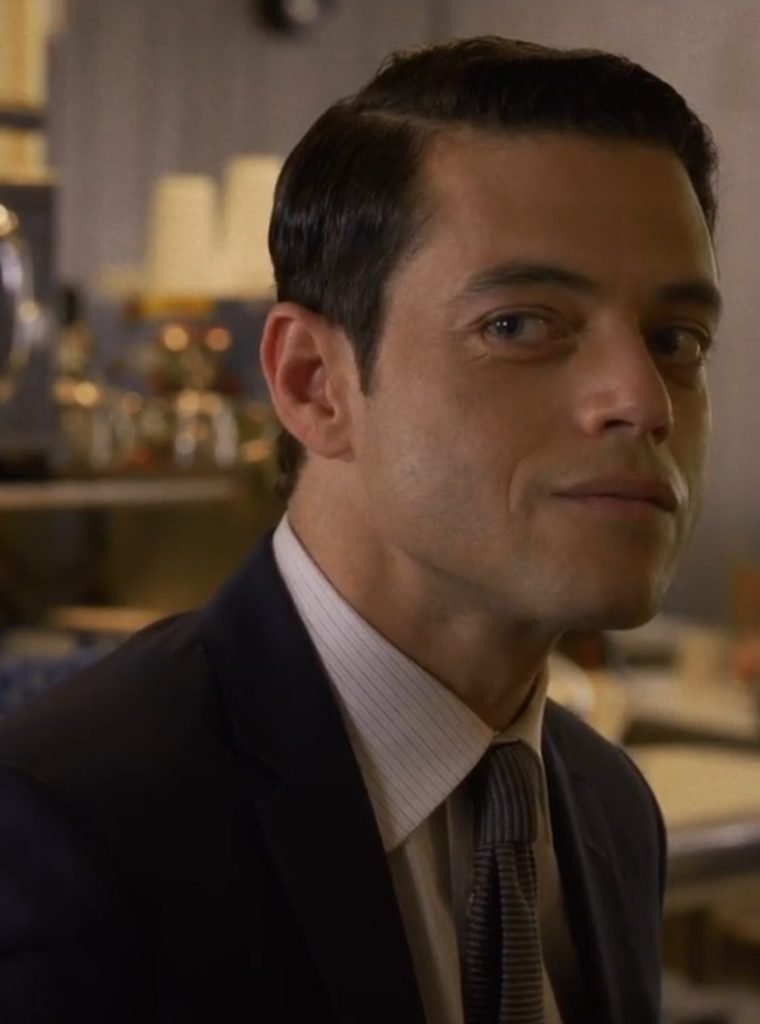
The interplay between these three is a dance of psychological complexity, each pushing and pulling the others into areas of moral ambiguity. Deke’s seasoned gaze and Baxter’s piercing ambition are both clouded and clarified by their interactions with Sparma. The suspect acts as a catalyst, drawing out the hidden layers of the detectives’ characters—Deke’s potential for obsession and Baxter’s simmering potential for crossing lines he’s drawn for himself. This trio creates a riveting dynamic that’s less about the linear progression of a criminal investigation and more about the meandering journey through the characters’ inner landscapes. “The Little Things” serves not just a criminal thriller, but a character study that explores the depths of what it means to seek justice, to confront evil, and to grapple with the darkness that resides in the heart of all humanity.
Themes and Motifs: The Devil’s in the Details
The movie emerges as a meticulous exploration of the fine line between good and evil, and the cost of obsession. The film’s narrative is saturated with the notion that the most inconsequential details can unravel the most significant truths, drawing a fine parallel to the idea that within every person lies the capacity for both ordinary good and unspeakable evil. This duality is omnipresent; from Deke’s sleepless nights to Baxter’s relentless pursuit, every character is a study in contrasts, embodying the struggle between the law’s rigidity and the chaotic nature of crime. The movie’s atmospheric tension is a byproduct of this central theme, as each scene meticulously peels back the layers of its characters, asking the audience to question not only the morality of the protagonists but also the ethics of their own judgment.
Moreover, the film’s recurring motifs serve as breadcrumbs on the path to understanding its deeper narrative currents. The motif of sight—what is seen, what is overlooked, and what is deliberately ignored—permeates the film, with characters often missing the forest for the trees. There’s a haunting presence of the past that refuses to stay buried, symbolized through keepsakes and mementos that serve as tangible reminders of the weight the characters carry. “The Little Things” ingeniously weaves these motifs into a subtle tapestry that underscores its central themes, crafting a story that lingers with the audience, urging a contemplation of the nuances that dictate the course of justice and the human psyche’s complex labyrinth.
Twists and Turns
The Director John Lee Hancock of “The Little Things” orchestrates a labyrinthine journey for the audience, guiding them through a series of carefully constructed twists and turns that blur the lines between hunter and hunted, and between truth and misdirection. Each twist is a calculated move, designed to challenge perceptions and to keep viewers on the edge of their seats. As the narrative unfolds, the John Lee Hancock plays on the expectations of the audience, using the conventions of the thriller genre to set up familiar scenarios only to subvert them moments later. This sleight of hand ensures that the audience is never quite certain where the truth lies or how the pieces fit together, mirroring the protagonists’ own spiraling journey.
Moreover, John Lee Hancock employs a subtle hand in leading the audience through these narrative contortions. Red herrings are scattered throughout the plot, with potential clues and suspects introduced only to be discounted as the story progresses. The pacing of the film is deliberate, with slow burns that crescendo into revelatory moments, only to pivot into new enigmas. The effect is a sense of perpetual motion within the storyline, a feeling that with every revelation comes a new question, keeping the audience deeply engaged and invested in the outcome. This is psychological manipulation at its finest, keeping viewers tied to the film’s rhythm, eager for the next piece of the puzzle.
In this cinematic dance, the story doesn’t just lead; it misleads, using the film’s cinematography, score, and editing to accentuate the atmosphere of uncertainty. Scenes are cut in a way that suggests connections where there may be none, and lingering shots imply significance in the most mundane details, encouraging the audience to suspect everything and trust nothing. It’s a testament to the Director’s skill that the film maintains coherence despite its complexity, ensuring that the audience remains complicit in the narrative, dissecting each scene for hidden meanings and clues. The end result is a viewing experience that is as intellectually stimulating as it is emotionally gripping, a testament to the art of storytelling in film.
So Who Was The Killer?
It’s the nuances that hold the key to unveiling the more probable truth. At precisely 3:02 in the film, the audience is presented with a fleeting profile view of the suspected serial killer. This individual is a stark contrast to the prime suspect, Albert Sparma. Rather he’s Caucasian, lean, clean shaving, with a scholarly appearance accentuated by glasses. His physique is trim, lacking the unkempt, hirsute features associated with Sparma, which subtly insinuates that the true perpetrator might be skulking outside the frame of the primary cast. This brief glimpse is a masterstroke in the movie’s narrative, planting seeds of doubt and steering the viewers’ perception towards the possibility of an unseen antagonist, perhaps someone referenced but never fully revealed.
Fact” The Serial Killer is White or a Very Light Skin, trim, clean cut, wears glasses.
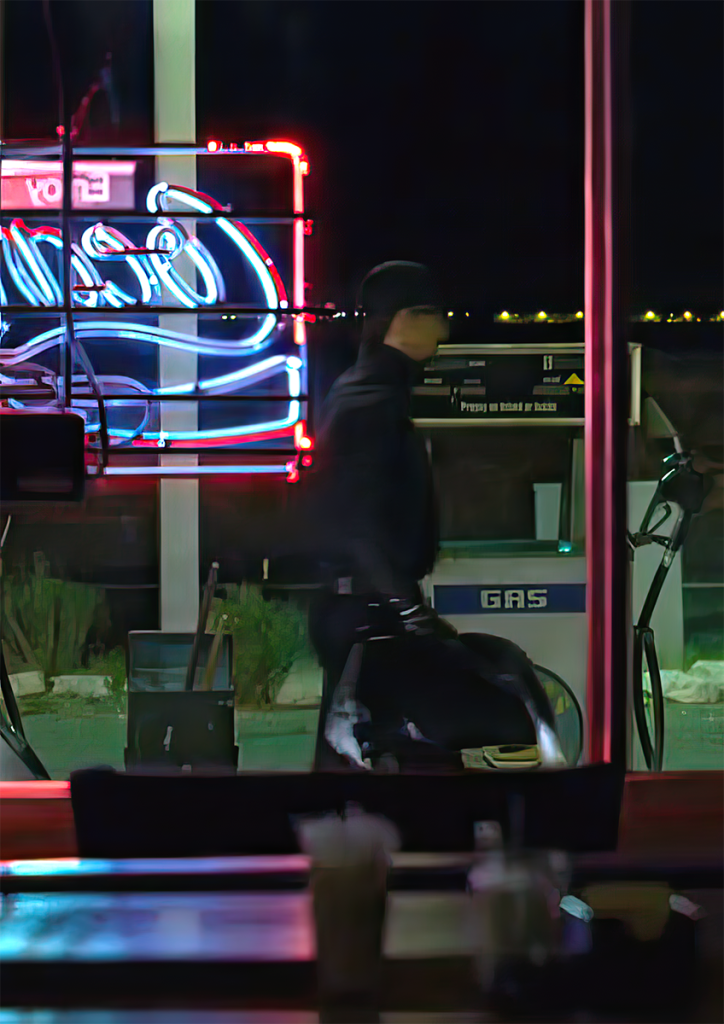
The narrative teases the audience with the specter of JJ Kendricks—a character spoken of but not showcased. Kendricks, the initial suspect, later meets a grim fate, seemingly at his own hand. The intrigue deepens in the movie’s climax, inside what is believed to be Dekes’ abandoned motel room. The scene is stark, with the starkness of the room punctuated by the motel management and a maid sifting through the remnants of what Deke left in his hotel room. Amidst the discarded belongings, a distinctive pair of cowboy boots rests on the bed. These boots, while silent, scream of significance, perhaps a cryptic clue to the true identity of the killer, deliberately left to stir the pot of mystery. However, we have already established that Deke is not the same killer seen at the beginning of the movie, because the serial killer is Caucasian. This means that John Lee Hancock, the Director, was heavily relying on the audience forgetting about the first critical clues in the movie.
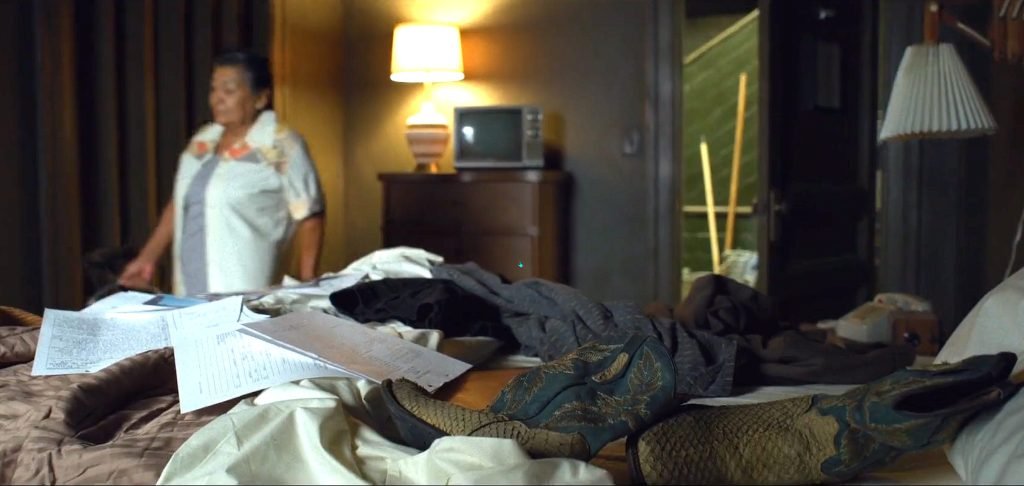
The movie thus crafts an intricate tapestry of misdirection and hidden truths, alluding to the fact that the most revealing clues may lie in the background, in the little things. The profile of the killer, the backstory of JJ Kendricks, —each element is a piece of a jigsaw puzzle that the audience must piece together, with the understanding that the answer to the riddle may not be on the surface, but rather hidden in the shadows of the narrative. The suggestion that the killer might be someone merely mentioned aligns with the film’s recurring theme: that what is significant is often not immediately visible, and the truth lies in the minutiae.
My Final Thoughts
The Little Things starring Denzel Washington, Rami Malek, and Jared Leto is another movie similar to After.Life (2009) staring Christina Ricci, Liam Neeson, and Justin Long, where the director has a lot of fun leaving the audience baffled and divided. Although I felt the Director of After.Life (Agnieszka Wojtowicz-Vosloo) was excessive and transparently provided enough evidence for two equally arguable synopsis (to the point of annoying), However, The Little Things, unlike After.Life, might actually have an answer to mystery.


 Spanish
  English